Ayurvedic infertility treatment Surat
Infertility Treatment
- Infertility is defined as the inability to achieve pregnancy after 12 months or more of regular, unprotected sexual intercourse. It may involve male factors, female factors, both partners or unexplained causes.
- Understanding the possible cause is an important first step towards making informed decisions about fertility care.
Male infertility Treatment
Male fertility can be affected by sperm count, motility (movement), morphology (shape), sperm production and other reproductive factors. Understanding the underlying cause is an important step in evaluating male infertility.
Common male fertility concerns include:
- Low Sperm Count: Fewer sperm than expected in a semen analysis.
- Low Sperm Motility: Reduced sperm movement that may affect their ability to reach the egg.
- Azoospermia: No sperm detected in the semen sample.
- Abnormal Sperm Morphology: A higher proportion of sperm with an atypical shape.
- Other Reproductive Concerns: Conditions such as varicocele, hormonal disorders and certain ejaculation problems that may affect fertility.
At Ojas Ayurved, Dr Rupapara Sir in consultations focus on understanding your reports, medical history and individual concerns to help guide appropriate next steps.
Female infertility Treatment
Female fertility may be affected by ovulation, ovarian reserve, fallopian tube function, the uterus or hormonal conditions.
Common concerns include:
- PCOS and ovulation problems: Conditions that may affect regular egg release.
- Low AMH: A result that helps assess ovarian reserve but cannot predict natural conception on its own.
- Irregular menstrual cycles: Cycles that may be associated with irregular or absent ovulation.
- Fallopian tube problems: Blockages or damage that may affect the meeting of sperm and egg.
- Other reproductive conditions: Endometriosis and certain uterine or hormonal disorders.
Our approach begins with understanding your reports, menstrual history and previous fertility treatment before discussing suitable care options.
Ayurvedic ways to treat infertility
We believe in “BE HAPPY WITH AYURVEDA”
Ayurvedic treatment
Dr. Rupapara gives proper attention and provides counseling and guidance to patients.
Our peculiarities
Ojas Ayurved cures infertility through natural herbal medicines, yoga, exercises, and a proper healthy diet.
Rest Rooms
Ojas Ayurved offers restroom facilities for out-of-city patients.
Panchkarma unit
Ojas Ayurved offers panchkarma therapies like vaman, virechan, basti, etc. which additionally help in treating male and female infertility.
IUI treatment and Uttarbasti are also available at Ojas Ayurved.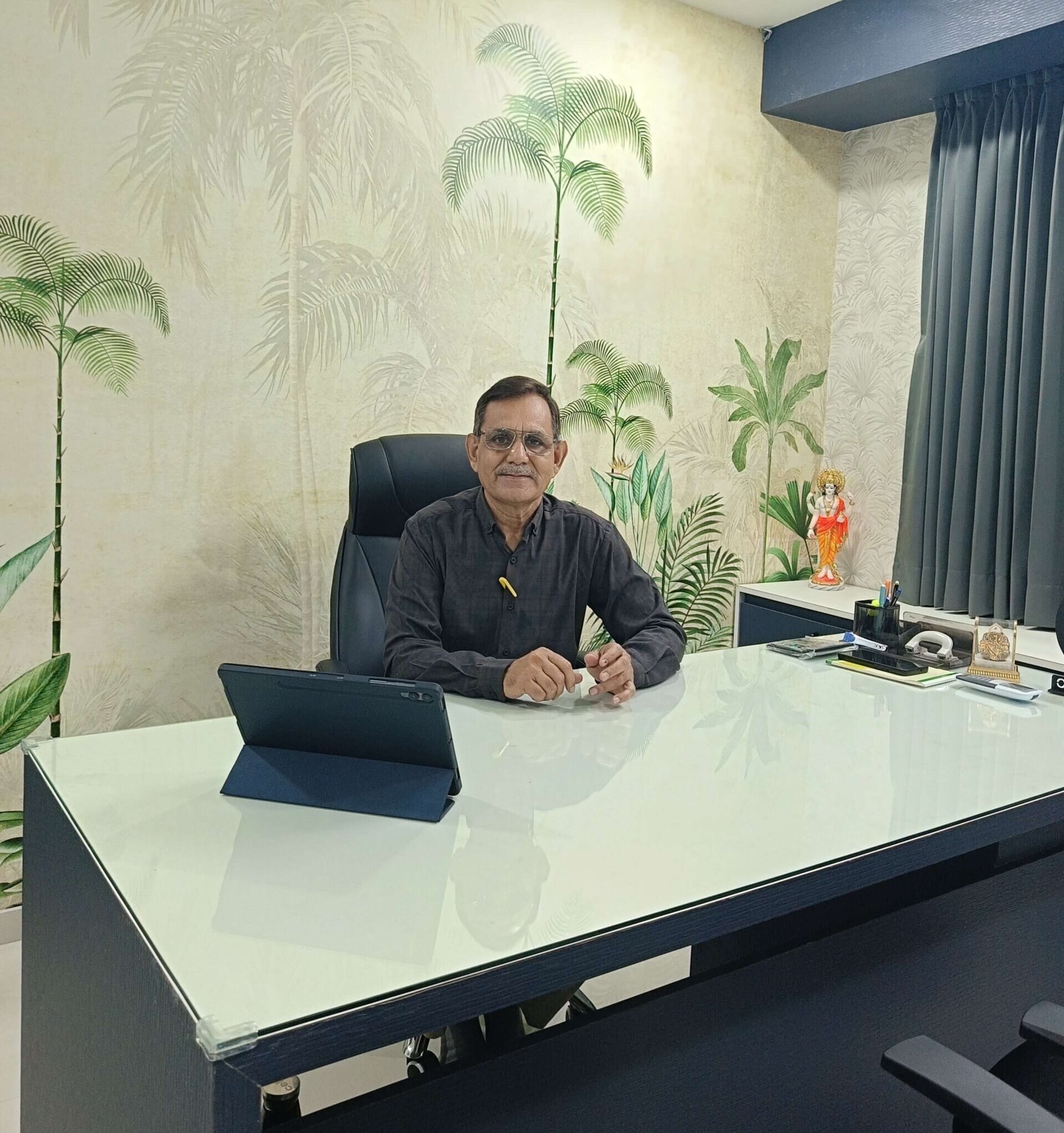
Dr. Mahendra RupaparaAyurvedic Fertility Specialist, Ojas Ayurved, Surat
With over 35 years of experience in Ayurvedic infertility treatment, Dr. Rupapara has supported many couples facing concerns such as azoospermia, low sperm count and very low AMH levels. Every patient is first heard, then guided with a plan made for them. Results vary from person to person.
35+ Years of experience in Ayurvedic infertility care
Personalised plan based on your Vata, Pitta and Kapha
Free Consultation every Tuesday for new patients*
* T&C apply
Advanced Panchakarma Therapies for Infertility
At Ojas Ayurved, Surat, classical Panchakarma therapies may be considered as part of an individualised Ayurvedic approach to reproductive health, based on personal health needs and medical history.
Matra Basti (Medicated Enema Therapy)
An individualised approach to reproductive wellness
Matra Basti is a classical Ayurvedic therapy involving the administration of medicated preparations through the rectal route. Traditionally associated with Vata management, it may be considered as part of personalised Ayurvedic care.
However, evidence supporting its effectiveness in improving sperm count, treating oligospermia, or regulating ovulation remains limited.
Nasya Therapy (Medicated Nasal Therapy)
A traditional therapy tailored to individual needs
Nasya involves administering an appropriate medicated preparation through the nasal route under professional supervision. Its use is based on traditional Ayurvedic principles and individual assessment.
High-quality clinical evidence establishing its effectiveness in improving ovulation or increasing conception rates remains insufficient.
Please note “Therapies are recommended only after individual assessment. Their suitability and potential benefits vary.”
What to Expect at Ojas Ayurved
Consultation
Visit us on any Tuesday as a new infertility patient and meet Dr. Rupapara at no consultation charge.
Counselling and Dosha Assessment
The doctor listens to your history and concerns, then assesses your Tri-Dosha (Vata, Pitta, Kapha) to understand your body’s constitution.
Your Personalised Treatment Plan
No two patients are treated the same way. Your plan, including medicines, diet and lifestyle guidance, is made around your dosha and your needs.
Panchakarma and Follow-up
Therapies such as Matra Basti and Nasya are advised where suitable, with regular follow-ups to track your progress.
Frequently Asked Questions
Infertility means not achieving pregnancy after 12 months or more of regular, unprotected intercourse. It can involve male factors, female factors, both partners, or remain unexplained.
Common concerns include low sperm count, reduced sperm motility, abnormal sperm shape, azoospermia (no sperm in the semen sample), varicocele, hormonal disorders and certain ejaculation problems. A semen analysis is usually the first step in finding the cause.
Female fertility may be affected by ovulation problems, PCOS, low ovarian reserve (low AMH), irregular cycles, fallopian tube blockages, endometriosis, and uterine or hormonal conditions.
Consider a consultation if you have not conceived after 12 months of trying. The usual advice is to see someone sooner if the woman is 35 or older, cycles are very irregular or absent, or there is a known issue such as low sperm count or low AMH.
Ayurvedic care looks at your overall health, history and constitution (Vata, Pitta, Kapha). Your plan may include medicines, diet and lifestyle guidance, and in some cases Panchakarma therapies. Plans are individualised, and results vary from person to person.
Dr. Rupapara has supported many couples with these concerns, but outcomes differ for each person. Suitability depends on your reports and the underlying cause, and no result can be guaranteed. Note that AMH helps assess ovarian reserve but cannot predict natural conception on its own.
Matra Basti is a classical therapy that gives medicated preparations through the rectal route. Nasya gives a medicated preparation through the nose under professional supervision. Evidence that either improves sperm count, ovulation or conception rates is limited or insufficient, so they are advised only after individual assessment.
You meet Dr. Rupapara, who reviews your reports, medical history and concerns. He then assesses your Tri-Dosha and, if appropriate, suggests a personalised plan covering medicines, diet, lifestyle and any suitable therapies. Bring any available reports, such as semen analysis, hormone tests, AMH, ultrasound and HSG
New infertility patients can meet Dr. Rupapara at no consultation charge every Tuesday.* Please check the terms marked with the asterisk, and confirm timings with the clinic before visiting.
Please tell both your Ayurvedic doctor and your fertility clinic about every medicine and therapy you are using, so your care stays coordinated and safe. Ideally, both partners should be evaluated, since infertility can involve either one or both.