
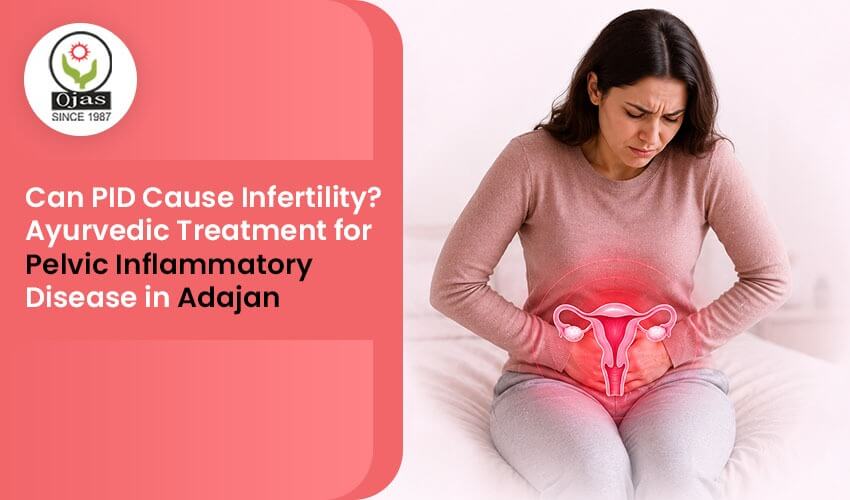
Pelvic Inflammatory Disease (PID) is a common yet often overlooked infection of the female reproductive organs that can have a significant impact on a woman’s fertility. Many women experience symptoms such as pelvic pain, abnormal vaginal discharge, painful periods, or discomfort during intercourse without realizing that these may be signs of PID. If left untreated, Pelvic Inflammatory Disease can lead to scarring of the fallopian tubes, increasing the risk of infertility, ectopic pregnancy, and chronic pelvic pain. At Ojas Ayurved Fertility Clinic in Adajan, Surat, we offer a holistic and root-cause-focused approach to PID treatment, helping women restore reproductive health, improve fertility, and achieve long-term wellness naturally.
Understanding Pelvic Inflammatory Disease – Causes, Triggers & Risk Factors
Pelvic inflammatory disease (PID) is an infection and inflammation of the female upper reproductive tract, including the uterus, fallopian tubes, ovaries, and surrounding pelvic tissues. It usually occurs when bacteria from the vagina or cervix ascend into the reproductive organs.
Primary causes: Direct infection is responsible for PID.
- Sexually Transmitted Infections (Most Common)
- Chlamydia
- Gonorrhea
- Vaginal and Cervical Bacterial Infections
- Bacterial vaginosis-associated organisms
- Mixed aerobic and anaerobic bacteria
- Postpartum or Post-abortion Infections
- Infection after childbirth
- Infection following miscarriage or abortion
Other contributing causes:
Secondary causes are conditions or procedures that cause bacterial spread into the upper reproductive tract.
Gynecological Procedures
- IUCD insertion (rare)
- Dilatation and Curettage (D&C)
- Hysteroscopy
- Endometrial biopsya
Obstetric Causes
- Childbirth-related infections
- Retained products of conception
Other Causes
- Untreated lower genital tract infections
- Poor genital hygiene
- Multiple episodes of vaginal infection
Ayurvedic view of PID causes:
- Excessive spicy, sour, heating foods (pitta-aggravating foods)
- Poor digestion leading to ama accumulation
- Improper menstrual hygiene
- Excessive sexual activity when the Poor health
- Chronic infection and inflammation affecting reproductive tissues (Artavavaha Srotas)
- Suppression of natural urges
Risk factors:
Sexual and Reproductive Factors
- Multiple sexual partners
- Unprotected intercourse
- Previous STI history
- Early age of sexual activity
Medical Factors
- Previous PID episode
- Recurrent vaginal infections
- Recent gynecological procedure
- Postpartum infections
Lifestyle Factors
- Smoking
- Poor genital hygiene
- Delayed treatment of infections
- Low immunity
Recognising the Symptoms of Pelvic Inflammatory Disease
Acute PID Symptoms
- Lower abdominal or pelvic pain — dull, aching pain (most common symptom)
- Abnormal or heavy vaginal discharge — yellow, green, or foul-smelling
- Pain during intercourse (dyspareunia)
- Irregular or painful menstrual periods
- Spotting between periods
- Burning or pain during urination
- Fever with chills (in more severe cases)
- Nausea and fatigue
Chronic / Silent PID Symptoms
- Persistent mild pelvic discomfort — often dismissed as “normal”
- Recurrent UTIs or vaginal infections
- Difficulty conceiving despite regular unprotected intercourse
- History of ectopic pregnancy
- Lower backache with no structural cause
- Fatigue and low energy levels
Why Is Silent PID Dangerous?
Many women do not realize they have PID until complications develop. Untreated chronic inflammation can lead to:
- Fallopian tube blockage
- Female infertility
- Ectopic pregnancy
- Chronic pelvic pain
- Recurrent pelvic infections
Ayurvedic Symptom
- Pitta imbalance: burning pain, fever, foul discharge
- Vat imbalance: irregular menstrual cycles, pelvic pain, dryness in the vulva
- Kapha imbalance: heavy discharge, congestion, heaviness in the lower abdomen
Ayurvedic interpretation of PID
- Pelvic pain: Aggravated vat causing pain and inflammation
- Fever: increased Pitta dosha and Inflammatory processes
- Vaginal discharge: kapha and pitta imbalance causes yonigat strav
- Painful intercourse: Vata dosh aggravation in reproductive tissues
- Irregular menstrual cycle: imbalance Apana Vata
- Infertility issues: obstruction (srotorodha) and chronic dosh imbalance
Can PID Cause Infertility?
Yes. Pelvic Inflammatory Disease (PID) is one of the leading preventable causes of female infertility. The infection can damage the reproductive organs, particularly the fallopian tubes, making it difficult for the egg and sperm to meet.
– Studies suggest that approximately 1 in 8 women with a history of PID may experience difficulty conceiving.
– Repeated or untreated PID episodes can cause scarring and adhesions in the fallopian tubes, leading to partial or complete blockage.
– Damaged fallopian tubes significantly increase the risk of an ectopic pregnancy, where the fertilized egg implants outside the uterus—a potentially life-threatening medical emergency.
– Chronic PID can result in pelvic adhesions, which may distort the normal anatomy of the reproductive organs and impair fertility.
– Persistent inflammation may also affect the endometrial lining, reducing the chances of successful implantation and pregnancy.
– Silent (subclinical) PID is especially concerning because it often causes few or no noticeable symptoms, allowing damage to progress unnoticed for months or even years.
Early diagnosis and timely treatment are essential to prevent long-term complications and protect fertility.
Ayurvedic Explanation of PID-Related Infertility
Chronic Ama accumulation in the Artavavaha Srotas (channels carrying reproductive tissue and menstrual blood) blocks the flow of Vata and impairs Artava Dhatu (menstrual flow)
Vitiated Apana Vata disrupts the downward movement essential to healthy menstruation, ovulation, and conception.
Pitta aggravation creates inflammation that damages reproductive tissue over time if not treated well.
“The good news is that when PID is identified early and treated comprehensively, the damage it causes is often reversible — especially with Ayurvedic therapies that work at the level of tissue healing and channel restoration, not just infection suppression.”
Ayurvedic Management principles for PID
1.Ama pachan (Toxins reduction)
- Improving digestion and metabolism.
2. Pitta pacification
- Cooling dietary and herbal approaches.
3. Vata balancing
- Especially when pain is prominent.
4. Supporting reproductive tissue health
- Strengthening Artava Dhatu (female reproductive tissue).
Ayurvedic Treatment for Pelvic Inflammatory Disease :
-
Shodhana Chikitsa (Detoxification & Purification treatment)
From an Ayurvedic perspective, Shodhana Chikitsa (purificatory therapies) for chronic pelvic inflammatory conditions is aimed at eliminating aggravated doshas, reducing inflammation, clearing obstructions in the reproductive channels (Artava Vaha Srotas), and restoring pelvic health. The exact treatment depends on the patient’s constitution (Prakriti), dosha predominance, strength, and whether the condition is acute or chronic.
If there is an active PID infection with fever, severe pelvic pain, or suspected abscess, urgent conventional medical treatment is necessary. Classical Panchakarma procedures are generally considered only after acute infection is controlled and under the supervision of a qualified Ayurvedic physician.
Shodhana Approaches Commonly Considered
- Virechana (Therapeutic Purgation)
Often considered when Pitta predominance is present:
Pelvic inflammation, burning sensation, yellowish discharge, excess heat symptoms.
- Basti (Medicated Enema)
Particularly important when Vata involvement is significant:
- Chronic pelvic pain
- Infertility associated with chronic inflammation
- Dysmenorrhea
- Pelvic congestion
- Uttar Basti
A specialized procedure in which medicated oil or decoction is administered into the uterine or vaginal passage by trained .
-
Shamana Chikitsa (Herbal treatment)
In Ayurveda, herbal treatment for PID-like conditions is selected according to the dominant dosha, presence of Ama, discharge, pain, and chronicity. Since PID is an infectious-inflammatory condition, Ayurvedic herbs are traditionally used to support inflammation control, tissue healing, and reproductive health, but they should not replace appropriate antibiotic treatment for active infection.
Common Ayurvedic Herbs Used in Gynecological Inflammatory Conditions:
- Guduchi
used for reducing Pitta and supporting immune function.
Considered useful in inflammatory conditions.
- Neem
Traditionally used for its antimicrobial and blood-purifying properties.
Often included when discharge or signs of infection are present.
- Ashoka
Widely used in female reproductive disorders.
Supports uterine health and menstrual regulation.
- Lodhra
Traditionally used for excessive discharge and gynecological inflammation.
- Shatavari
Used to nourish reproductive tissues and support recovery after inflammation.
- Haridra
Traditionally valued for anti-inflammatory effects.
Rasayana Chikitsa (Rejuvenation & Fertility Restoration)
In Ayurveda, Rasayana Chikitsa for PID-like chronic pelvic inflammatory conditions is generally considered after the acute infection and inflammation have subsided and after appropriate Shodhana (if indicated).
The goals are:
- Restoration of reproductive tissues (Artava Dhatu)
- Enhancement of immunity (Vyadhikshamatva)
- Healing of damaged pelvic tissues
- Prevention of recurrence
- Support of fertility and reproductive function
Common Rasayana Drugs
- Guduchi
Considered a premier Rasayana. Supports immunity and tissue recovery.
- Amalaki
Pitta-pacifying Rasayana.Traditionally used for rejuvenation and tissue nourishment.
- Shatavari
Female reproductive Rasayana. Supports uterine and reproductive health.
- Ashwagandha
Useful when chronic disease has caused weakness and Vata aggravation.
- Yashtimadhu
Traditionally used for tissue healing and Pitta balance.
Ayurvedic Treatment for PID in Adajan, Surat – Why Consult Our Clinic?
- 35+ Years of Experience in Ayurvedic treatment for PID and female infertility.
- Specialists in Infertility Care with expertise in women’s reproductive health.
- Detailed Prakriti Assessment to identify the root cause of hormonal imbalance.
- Personalized Treatment Plans including Ayurvedic medicines, detox therapies, diet plans, and exercise recommendations.
- Holistic Approach focusing on hormones, metabolism, menstrual health, and fertility.
- Root Cause Management rather than just symptom relief.
Common Questions about PID
Q: Can Ayurveda completely cure PID?
A: Ayurveda can effectively resolve the underlying infection, reduce inflammation, heal reproductive tissue damage, and significantly reduce recurrence. Results depend on the stage and duration of PID.
Q: How long does Ayurvedic treatment for PID take?
A: The outcome depends on how long PID has been present and the extent of damage it has caused to the reproductive organs. Mild to moderate PID typically responds within 6–12 weeks of consistent treatment. Chronic PID with fertility concerns may require 3–6 months or more of comprehensive therapy.
Q: Is Ayurvedic treatment for PID safe alongside antibiotics?
A: Yes. Ayurvedic treatment is often recommended as a complementary approach following antibiotic therapy to complete healing, prevent recurrence, and restore fertility.
If you are experiencing persistent pelvic pain, abnormal vaginal discharge, irregular menstrual cycles, or difficulty conceiving, it may be time to look beyond temporary symptom relief and address the underlying cause. At Ojas Ayurved Fertility Clinic, Surat, we specialise in the holistic management of Pelvic Inflammatory Disease (PID) and related fertility concerns through personalised, root-cause-focused treatment. With a comprehensive approach aimed at restoring reproductive health naturally, we help women regain comfort, confidence, and fertility. Schedule your consultation today and take a proactive step towards a healthier future.