PCOS vs PCOD: Causes, Symptoms & Ayurvedic Care
- According to expert estimation, 1 in 5 Indian women (20-25%) may have PCOS/PCOD, especially in urban populations.
- PCOS and PCOD are common hormonal disorders affecting women, especially in cities like Surat and across Gujarat.
- Understanding PCOD vs PCOS, recognizing symptoms early, and choosing the right Ayurvedic treatment for PCOS and PCOD can prevent long-term health issues.
What Are PCOD and PCOS?
Polycystic Ovarian Disease (PCOD) and Polycystic Ovary Syndrome (PCOS) are among the most common hormonal disorders affecting women of reproductive age. Both conditions can disrupt menstrual cycles, affect fertility, and lead to symptoms such as weight gain, acne, and irregular ovulation. Although the terms are often used interchangeably, PCOD and PCOS are not the same. Understanding their differences is important for women seeking effective infertility treatment and long-term hormonal health.
What is PCOD (Polycystic Ovarian Disease)
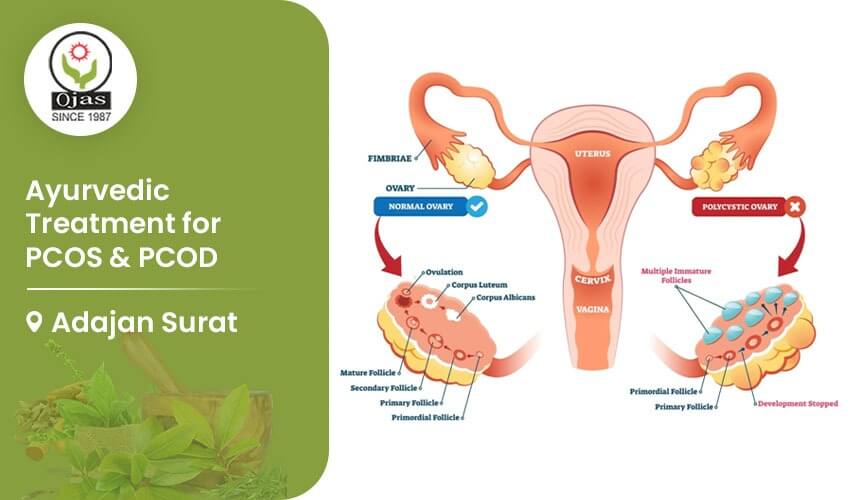
PCOD is a condition in which the ovaries produce multiple immature or partially mature eggs that develop into small cysts. This can cause enlargement of the ovaries and hormonal imbalances that affect the menstrual cycle and ovulation.
PCOD is generally considered a common and manageable condition that responds well to lifestyle modifications and appropriate medical or Ayurvedic treatment.
Common Symptoms of PCOD
- Irregular or delayed menstrual periods
- Weight gain, especially around the abdomen
- Acne and oily skin
- Hair thinning or excessive hair growth
- Difficulty in conceiving due to irregular ovulation
- Mood changes and fatigue
- Enlarged ovaries with multiple small cysts on ultrasound
What is PCOS (Polycystic Ovary Syndrome)
PCOS is a more complex hormonal and metabolic disorder that affects the entire endocrine system. In PCOS, the ovaries produce higher-than-normal levels of androgens (male hormones), which interfere with normal egg development and ovulation.
PCOS is one of the leading causes of female infertility worldwide and often requires a comprehensive treatment approach.
Unlike PCOD, PCOS is associated with significant hormonal and metabolic disturbances, including
- Elevated androgen levels
- Insulin resistance
- Chronic inflammation
- Irregular or absent ovulation
- Increased risk of obesity
- Difficulty conceiving naturally
- Higher chances of miscarriage
- Increased risk of diabetes and cardiovascular disease
Understanding PCOS and PCOD
| PCOD | PCOS | |
| SEVERITY | generally a less severe ovarian disorder and is often reversible with lifestyle changes. | PCOS is a syndrome involving multiple hormonal and metabolic abnormalities that usually requires long-term management. |
| HORMONAL IMBALANCE |
|
|
| FERTILITY IMPACT |
|
|
| LONG TERM HEALTH RISKS |
|
Increased risk of:
|
Common PCOS Symptoms Every Woman Should Know
PCOS Symptoms in an Unmarried Girl
Early diagnosis is critical because PCOS symptoms in an unmarried girls are often ignored.
Common symptoms include
- Irregular or missed periods
- Acne and oily skin
- Excess facial or body hair
- Sudden weight gain
- Hair fall or thinning
- Mood swings and fatigue
If these signs persist, consulting experienced PCOS specialists in Surat is strongly recommended.
Common PCOD Symptoms Every Woman Should Know
- Irregular periods
- Weight gain
- Acne and oily skin
- Excess facial hair
- Hair thinning
- Difficulty conceiving
- Mood changes
What Causes PCOS?
PCOS (Polycystic Ovary Syndrome) is a common hormonal disorder and one of the leading causes of female infertility. While PCOS and PCOD are often used interchangeably, both conditions can affect ovulation, menstrual cycles, and fertility.
- Hormonal Imbalances
Women with PCOS often have higher levels of androgens (male hormones), which can disrupt normal ovulation. This may lead to irregular periods, difficulty conceiving, acne, and excessive hair growth.
- Insulin Resistance
Many women with PCOS have insulin resistance, causing the body to produce excess insulin. This can increase androgen levels, worsen PCOS symptoms, and contribute to infertility and weight gain.
- Genetic Factors
PCOS often runs in families. If a close relative has PCOS, PCOD, diabetes, or infertility issues, the risk of developing PCOS may be higher.
- Lifestyle and Stress
Poor diet, lack of exercise, obesity, inadequate sleep, and chronic stress can aggravate hormonal imbalances and PCOS symptoms, affecting reproductive health and fertility.
How PCOS Affects Fertility
Impact on Ovulation
- Ovulation is essential for natural conception. In women with PCOS, hormonal imbalances can prevent the ovaries from releasing eggs regularly.
- Irregular or absent ovulation reduces the chances of fertilization, making infertility a common concern.
- Women with PCOD may also experience delayed ovulation, affecting their fertility potential.
Hormonal Disruptions and Conception
- PCOS is associated with increased androgen (male hormone) levels, insulin resistance, and irregular reproductive hormone function.
- These changes can affect egg quality, disrupt the menstrual cycle, and make it harder for pregnancy to occur.
- Hormonal disturbances may also increase the risk of early pregnancy complications if left untreated.
Why Early Treatment for PCOS Matters
- Early intervention can significantly improve fertility outcomes.
- Effective PCOS infertility treatment focuses on restoring ovulation, balancing hormones, improving metabolic health, and supporting reproductive function.
- Lifestyle modifications, weight management, medical care, and holistic approaches can help women with PCOS or PCOD improve their chances of natural conception and successful pregnancy.
- Early treatment also reduces the risk of long-term health complications associated with PCOS.
Ayurvedic Perspective on Polycystic Ovary Syndrome (PCOS)
Understanding PCOS According to Ayurveda
From an Ayurvedic perspective, PCOS (Polycystic Ovary Syndrome) is not described by that modern medical name, but its symptoms are understood through imbalances in the body’s functional principles, called doshas.
Dosha Imbalances Associated with PCOS
- Kapha imbalance
Kapha dosha governs structure, nourishment, and stability. When aggravated, it may lead to:
- Weight gain
- Sluggish metabolism
- Excess tissue accumulation
- Obstruction of bodily channels (srotorodha)
This obstruction is thought to interfere with normal ovarian function.
- Vata disturbance
Specifically, Apana Vata, the subtype responsible for menstruation and reproductive functions.
When disturbed, it may contribute to:
- Irregular cycles
- Delayed periods
- Painful menstruation
- Difficulty with ovulation
- Impaired digestive fire (Agni)
Ayurveda emphasizes the importance of efficient digestion and metabolism.
Weak Agni may result in the accumulation of Ama (metabolic toxins or undigested residues), which is believed to disrupt hormonal balance and reproductive health.
- Involvement of reproductive tissues (Artava Dhatu)
The female reproductive tissue system is called Artava Dhatu. Disturbances in its nourishment and function are thought to affect:
- Menstrual regularity
- Ovulation
- Fertility
Importance of Root-Cause Management
Ayurvedic treatment is highly individualized and depends on a person’s constitution (Prakriti) and imbalances (Vikriti). It may include:
Dietary guidance
often emphasizes the following:
- Freshly prepared foods
- Adequate protein and fiber
- Limiting highly processed foods and excess sugar
- Regular meal timings
- Avoiding overeating
Lifestyle measures:
Common recommendations include
- Regular physical activity
- Maintaining a healthy weight if overweight
- Adequate sleep
- Stress reduction practices such as meditation and yoga
Herbal therapies
- Ashwagandha
- Shatavari
- Guduchi
- Triphala
The above-mentioned drugs have been beneficial in PCOS treatment in many cases, but they should be taken after consulting an experienced Ayurvedic physician and under their guidance only.
Panchakarma
Some Ayurvedic physicians may recommend detoxification therapies collectively known as Panchakarma. Scientific evidence for Panchakarma in treating PCOS remains limited, and these therapies should be undertaken only under qualified supervision.
Ayurvedic Treatment for PCOS in Surat
Since PCOS is one of the leading causes of female infertility, a holistic approach is essential for long-term hormonal balance and reproductive health. And at Ojas Ayurved, we provide a holistic approach and personalized treatment plan for each and every patient suffering from PCOS.
Personalized Ayurvedic Consultation
Every woman has a unique body constitution and hormonal profile. At Ojas Ayurved, we provide individualized Ayurvedic assessment that helps identify factors contributing to PCOS, PCOD, and infertility, allowing a customized treatment plan for better results.
Herbal Formulations for Hormonal Balance
- Ayurvedic herbs are traditionally used to support ovarian function, regulate menstrual cycles, improve metabolism, and promote natural hormonal balance. These formulations may help reduce common PCOS symptoms and improve fertility potential.
- At Ojas Ayurved, we provide ayurvedic drugs which are manufactured at our own pharmacy.
Panchakarma Therapies
- Selected Panchakarma therapies help detoxify the body, improve metabolic health, and support hormonal regulation. These therapies can be beneficial for women dealing with chronic PCOS and fertility challenges.
- So our treatment plan includes detox therapy as an initial step in treatment plans.
Dietary and Lifestyle Modifications
- A balanced diet, regular physical activity, proper sleep, and weight management play a crucial role in polycystic ovary syndrome (PCOS) treatment.
- At Ojas Ayurved, we provide a proper diet plan according to the individual body’s prakriti.
Stress Management Techniques
- Stress can worsen hormonal imbalances and affect ovulation. Ayurvedic practices such as yoga, meditation, and breathing exercises help reduce stress, support emotional well-being, and enhance fertility outcomes.
PCOS Treatment in Adajan: When Should You Seek Professional Help?
- Irregular or missed periods for more than 3 months.
- Difficulty conceiving after 6–12 months of trying, indicating possible infertility related to PCOS.
- Excessive facial hair growth, acne, or hair thinning due to a hormonal imbalance.
- Unexplained weight gain or difficulty losing weight despite diet and exercise.
- Pelvic pain or ovarian cysts detected on ultrasound.
- Symptoms of insulin resistance include dark skin patches around the neck or underarms.
- Frequent mood swings, anxiety, or stress affecting overall well-being.
- History of recurrent miscarriages or fertility-related concerns.
Lifestyle Tips to Support PCOS Management
- Maintain a Healthy Weight: Even a 5–10% reduction in body weight can help improve ovulation and reduce PCOS-related infertility risks.
- Follow a Balanced Diet
- Exercise Regularly: Aim for at least 30–45 minutes of physical activity, such as walking, yoga, or strength training, to improve insulin sensitivity.
- Manage Stress Effectively: Chronic stress can worsen hormonal imbalances associated with PCOS and PCOD. Practice meditation, yoga, and deep breathing exercises.
- Get Quality Sleep: Poor sleep can affect hormone regulation and increase the severity of PCOS symptoms.
- Avoid Smoking and Excess Alcohol
- Stay Hydrated
- Regular Health Check-ups: Early monitoring and treatment can prevent complications and improve outcomes for women dealing with infertility, PCOS, and PCOD.
Why Choose Ojas Ayurved for PCOS Treatment in Surat?
- 35+ Years of Experience in Ayurvedic Treatment for PCOS & PCOD and infertility.
- Specialists in infertility care with expertise in women’s reproductive health.
- Detailed Prakriti assessment to identify the root cause of hormonal imbalance.
- Personalized treatment plans including Ayurvedic medicines, detox therapies, diet plans, and exercise recommendations.
- Holistic Approach focusing on hormones, metabolism, menstrual health, and fertility.
- Root cause management rather than just symptom relief.
- Natural and Sustainable Care for long-term PCOS and PCOD management.
Experience Trusted Ayurvedic Care for PCOS & PCOD
With over 35 years of expertise in women’s health and infertility care, Ojas Ayurved has helped countless women manage PCOS naturally and effectively.
Talk to our Ayurvedic specialists today and receive a personalized treatment plan tailored to your unique health needs.
Common Questions About PCOS & PCOD Treatment
1. Can Ayurveda help manage PCOS symptoms naturally?
Yes, Ayurvedic treatment for PCOS & PCOD helps manage it naturally through personalized herbal medicines, diet modifications, detox therapies, and lifestyle changes that support hormonal balance.
2. Is PCOS a common cause of infertility?
Yes, PCOS is one of the most common causes of female infertility because it can disrupt ovulation and affect conception.
3. How long does Ayurvedic treatment for PCOS take?
The duration varies based on the severity of PCOS, but noticeable improvements are often seen within 3–6 months with consistent treatment and lifestyle changes.
4. When should I consult a PCOS specialist?
You should consult a PCOS specialist if you experience irregular periods, difficulty conceiving, unexplained weight gain, excessive hair growth, acne, or other hormonal imbalance symptoms.